Heat and Anxiety: Why Summer Temperatures Can Exacerbate Mental Tension
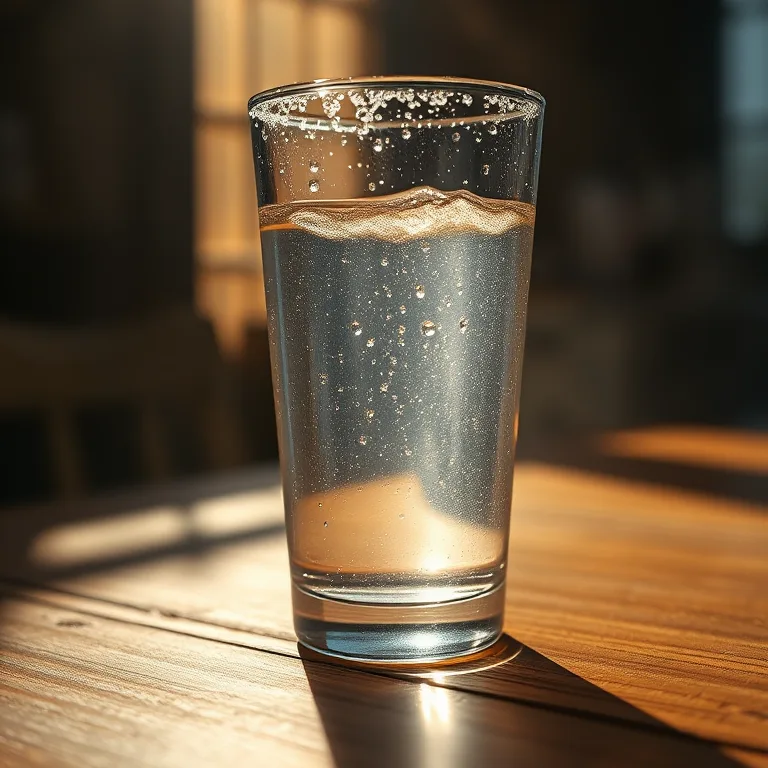
Palpitations, sweating, dizziness, and shallow breathing—these symptoms can be both a natural reaction of the body to 36-degree heat and a sign of an anxiety attack. This overlap makes the summer months particularly challenging for people suffering from chronic tension.
The Paradox of Bodily Signals
At high temperatures, the body strives to cool down by dilating blood vessels and accelerating the pulse. For a person prone to anxiety, these normal physiological processes can be interpreted as a signal of impending danger. Specialists call this "catastrophic interpretation"—a mechanism that keeps the anxious state active through a self-perpetuating cycle of fear and physical symptoms.
Anxiety vs. Depression: What is the difference?
It is important to distinguish between normal adaptive worry and generalized anxiety disorder. While depressive states are often directed toward the past (regret, loss), anxiety is focused on the future—on "what if" scenarios. The clinical picture of anxiety often includes physical suffering: muscle tension, insomnia, and gastrointestinal problems.
Global Statistics and Lack of Treatment
According to data from the World Health Organization (WHO), anxiety disorders are the most common mental health problems in the world, affecting over 300 million people. Despite the availability of effective methods, only about one in four affected individuals receives professional help. Often, the condition is normalized by society and accepted simply as "nerves" or a transitional period.
Factors that Exacerbate the Condition During Summer
- Disrupted Sleep: High nighttime temperatures lead to sleep deficiency, which is one of the strongest amplifiers of anxiety.
- Breathing Problems: Under tension, breathing becomes shallow (chest breathing), which physiologically keeps the body in a state of stress.
- Lack of Context: Unlike the reaction to heat, which subsides with cooling and hydration, anxiety persists even when external conditions improve.
When to Seek Help?
If anxiety is constant and affects your work, sleep, and social relationships, a consultation with a specialist is necessary. Psychotherapy is a proven effective method that does not always require medication but does require commitment. It is important to remember: if symptoms are severe or prolonged, professional help is a necessary step, not a last resort.
Note: This article is for informational purposes and does not replace professional medical advice.


Comments (0)