Discipline vs. Inspiration: The Unknown Clash Between General Fichev and Yordan Yovkov
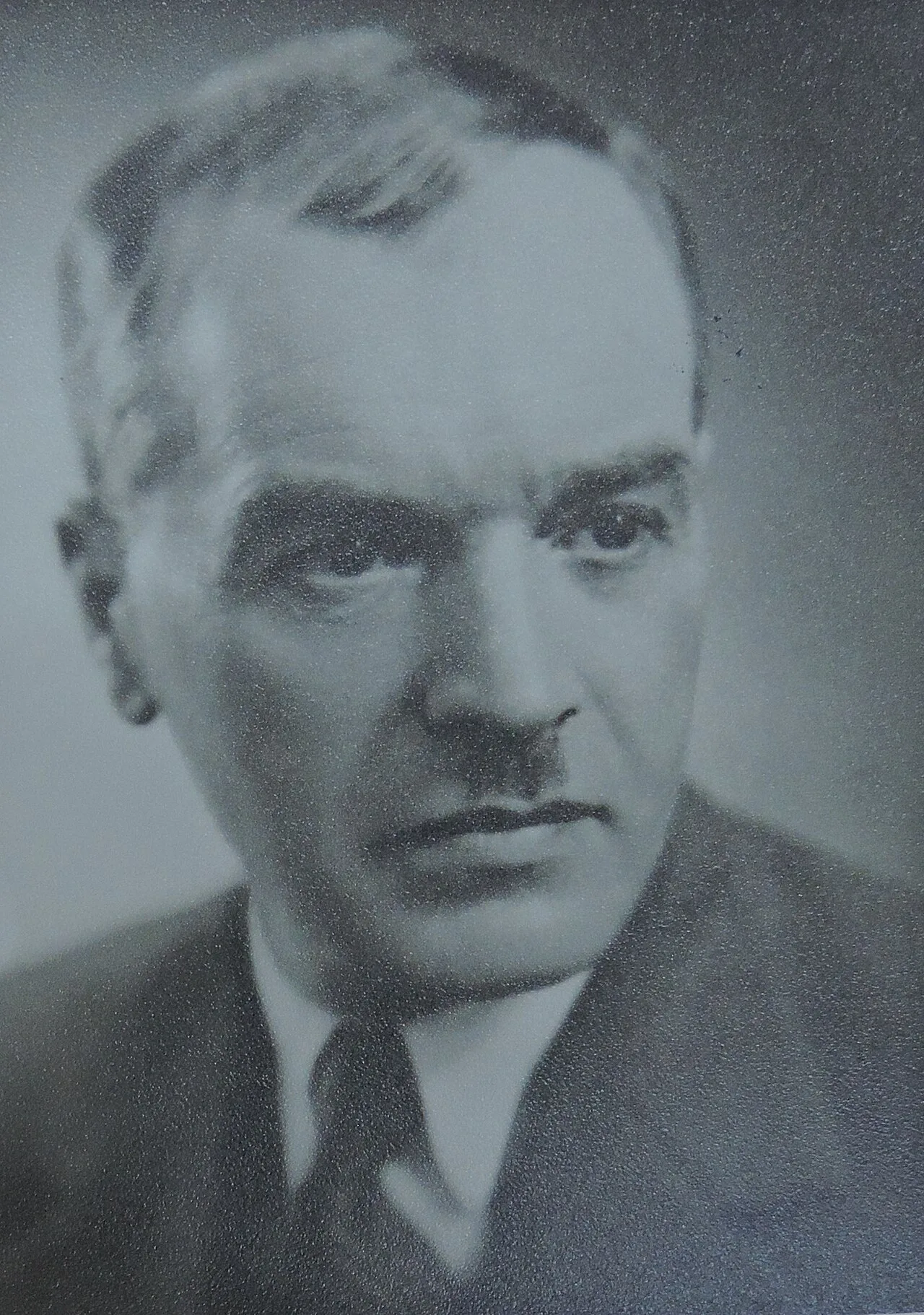
The history of Bulgarian culture is often woven with invisible threads that connect official state power with the unbreakable spirit of creativity. One of the most curious, albeit slightly less significant in the scale of world history, clashes occurred in the corridors of the Bulgarian representation in Bucharest during the 1920s.
At the center of this conflict are two monumental personalities: General Ivan Fichev, then the ambassador to Romania, and the young, still "unrefined" writer Yordan Yovkov, who at the time served as an interpreter in the legation. The clash was not ideological, but fundamentally human – between strict military discipline and the chaotic nature of literary inspiration.
According to personal memoirs and archival letters, General Fichev – a figure of immense authority, former Minister of War, and grandson of the great Kolyu Ficheto – did not hide his dissatisfaction with Yovkov's "irregularity." For the diplomat, who carried the heavy mission of defending Bulgaria's interests during a difficult period, every employee was a valuable resource, and the writer's irregularity disrupted discipline in the embassy.
On the other hand, for Yordan Yovkov, who during these years was laying the foundations of his immortal "Legends from the Stara Planina," consular work was merely a tedious obstacle. In his letters to friends and colleagues, he complained of the "harassment" from the general, who called him a "newspaper man" rather than a writer. For Yovkov, literature was a calling that required silence, solitude, and freedom from administrative pressure.
This historical episode reminds us of the eternal question: can the state machine reconcile its requirements with the genius's need for solitude and irregularity? Although Yovkov's letters seem almost "humiliatingly complaining" in their emotionality, they only emphasize the price a creator was willing to pay to preserve the purity of his imagination.
Today, when we look at these two figures, they seem reconciled – one as a symbol of state stability, the other as a symbol of the Bulgarian literary soul. Their clash remains a lesson in how human weaknesses and professional obligations intertwine in the fabric of history.

Comments (0)